Amazon Unveils Its 2026 Christmas Advertising Campaign Joy Delivered Focusing on Human Connection Over Consumerism

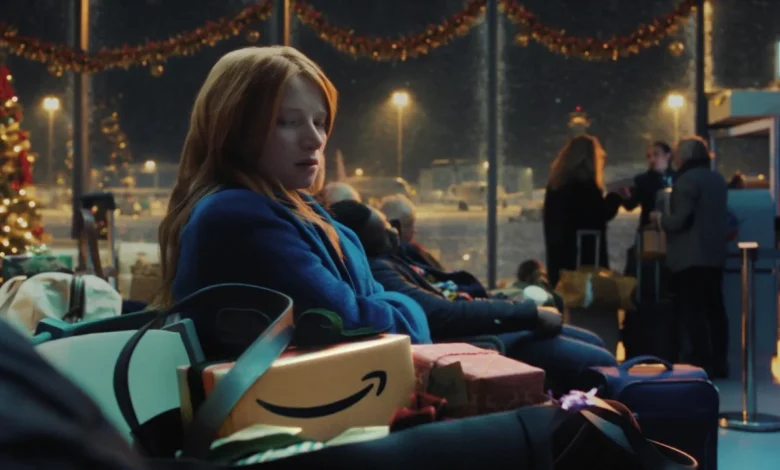
Amazon has officially launched its 2026 festive advertising campaign, a cinematic narrative titled Joy Delivered, which marks a notable pivot in the e-commerce giant’s marketing strategy. Eschewing the traditional product-heavy showcase that dominated its campaigns throughout the early 2020s, this year’s narrative centers on the emotional resilience and altruism required to bridge the gap between distance and family during the holiday season. The campaign, which will begin its televised run in the United Kingdom on November 6, represents a sophisticated attempt by the retailer to align its brand identity with the sentiment of "meaningful presence" rather than just the efficiency of logistics.
The central narrative of the 60-second film follows Joy, a young woman portrayed by New Zealand actress Kate Laidler. As the story unfolds, Joy’s meticulously planned Christmas Eve flight is grounded due to severe weather conditions—a relatable trope that resonates with the anxieties of holiday travel. Faced with the prospect of spending the holiday alone, the protagonist embarks on a cross-country odyssey, relying on the goodwill of strangers. Throughout her journey, she offers the gifts she had originally purchased for her own family to the individuals who provide her with shelter and transport. The film culminates in a poignant homecoming where Joy reaches her family with only a single gift remaining, emphasizing that the act of returning home is the ultimate gift itself.
Production and Creative Vision
The creative direction of Joy Delivered was helmed by three-time Emmy nominee Mark Molloy, whose background in narrative-driven filmmaking lends the campaign a cinematic quality rarely seen in retail advertising. Filmed entirely in New Zealand, the production utilized the rugged landscapes of the country to heighten the sense of isolation and eventual triumph of the protagonist. The visual aesthetic is bolstered by the costume work of Oscar-nominated designer Malgosia Turzanska, whose nuanced character styling helps to ground the film in a grounded, authentic reality.
The auditory experience of the campaign is defined by a bespoke rendition of The Beatles’ 1969 classic, Golden Slumbers. By selecting a song steeped in nostalgia and lullaby-like qualities, Amazon’s in-house creative team, in collaboration with the production company Smuggler, aimed to evoke a sense of warmth and comfort. This musical choice serves to soften the brand’s image, positioning Amazon as a facilitator of human connection rather than merely a conduit for physical goods.
The Strategic Pivot in Festive Marketing
For years, Amazon’s Christmas campaigns were defined by the "Amazon smile" and the seamless, often magical, arrival of boxes on doorsteps. However, the 2026 strategy suggests a maturation of the brand. By focusing on the sacrifice of the gifts—essentially showing that the items in the boxes are secondary to the reunion—Amazon is attempting to solve a perennial problem for big-box retailers: the perception that online shopping is cold, transactional, and devoid of the "Christmas spirit."
Market analysts suggest that this shift is a calculated response to changing consumer values. In the wake of economic volatility and increased awareness of sustainability, consumers have expressed a growing preference for experiences and time spent with family over material accumulation. By positioning its delivery services as a tool that frees up time for shoppers, Amazon is trying to frame its logistical prowess as a "time-saving" benefit that enables better human experiences.
Operational Context and Seasonal Scaling
While the advertisement focuses on the emotional aspect of the holidays, the corporate machinery behind the scenes is operating at an unprecedented scale. Concurrent with the launch of the campaign, Amazon has confirmed a significant expansion of its workforce. The company is set to recruit more than 300,000 additional workers to manage the anticipated surge in demand during the final quarter of 2026. This figure is particularly significant as it represents the first increase in seasonal hiring for the company in three years, signaling a more optimistic outlook for consumer spending compared to the tightening seen in 2024 and 2025.
This hiring spree is intended to bolster the company’s "last-mile" delivery capabilities, ensuring that the promise of "Joy Delivered" remains a reality for its customers. The investment in human capital is part of a broader strategy to maintain high service levels during the peak trading window, which runs from mid-November through the final week of December.
Timeline of the Campaign
The deployment of the 2026 festive campaign follows a structured rollout designed to maximize visibility across multiple media channels:
- Late October 2026: Initial teasers and internal announcements regarding the campaign’s themes.
- November 6, 2026: Official television premiere in the United Kingdom, marking the start of the primary broadcasting phase.
- November through December 2026: A multi-format media buy encompassing 30, 60, and 90-second cuts across terrestrial television, streaming services, cinema screens, and social media platforms.
- Late December 2026: Final push of the campaign, emphasizing late-season gift delivery and last-minute solutions.
Implications for the Retail Sector
The decision by Amazon to emphasize human connection is likely to influence competitors who have historically relied on product-heavy catalogs during the holiday season. The retail industry as a whole has been trending toward "purpose-driven" advertising, but Amazon’s scale makes this a notable benchmark. If the campaign succeeds in increasing brand favorability, other major retailers will likely follow suit, moving away from price-war rhetoric and toward sentiment-driven narratives.
However, the juxtaposition of a heartwarming story about human generosity with the reality of a massive, automated corporate hiring effort does not go unnoticed. Critics of the industry often point out that the convenience offered to the consumer is predicated on the intensive labor of the seasonal workforce. Amazon’s positioning of its service as a way to "focus on people who matter" assumes a level of affluence and stability that is not universal, which remains a core tension in the brand’s messaging.
Analysis of the Brand Message
From a marketing perspective, the 2026 campaign is an exercise in brand resilience. Amazon has moved past the need to prove it can deliver packages—that is now a given. The current challenge is to remain relevant in a market where consumers are increasingly wary of the environmental and social impacts of e-commerce. By centering the narrative on Joy, a character who gives away her parcels, the company is metaphorically suggesting that the value of its service is not in the object itself, but in the arrival.
Furthermore, the integration of high-end cinematic production techniques suggests that Amazon is positioning itself not just as a retailer, but as a media powerhouse. The collaboration with Emmy-nominated talent and the use of bespoke music underscores the company’s broader strategy to integrate its retail and entertainment divisions.
Conclusion
As the retail sector prepares for the end-of-year rush, Amazon’s Joy Delivered campaign sets a high bar for emotional resonance in corporate storytelling. By shifting the focus from the act of receiving to the act of reaching out, the company is attempting to humanize its global operations. Whether this shift in narrative will translate into increased customer loyalty remains to be seen, but the scale of the campaign—both in its media footprint and its massive seasonal hiring—confirms that Amazon intends to remain the dominant force in the festive trading period. For now, the story of Joy serves as a reminder that even in an age defined by digital logistics, the core of the holiday season remains the human desire to be together.
Related posts: